



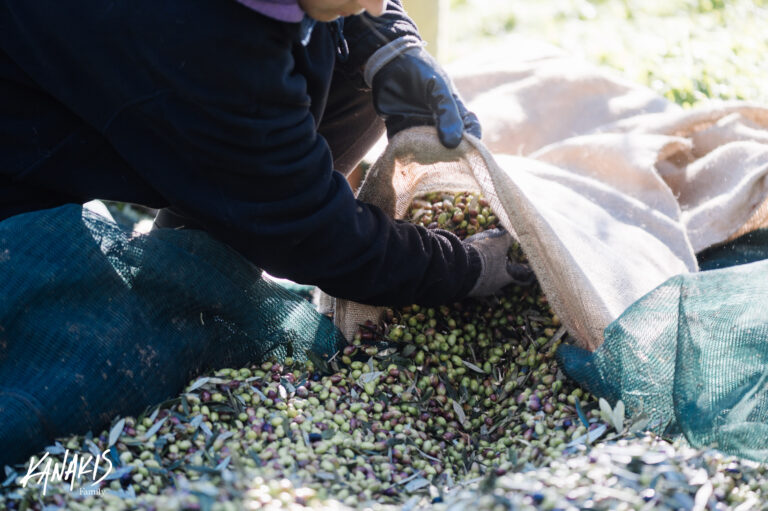
Why olive oil?
Fresh olive oil, consisting of an ideal chemical structure without extracts or additives, has for centuries provided health and longevity to the inhabitants of the Mediterranean region. Its nutritional and biological value are extremely important. Olive oil is among the 10 most beneficial foods. Extra virgin olive oil is the highest quality olive oil.
Extra virgin olive oil is packed with antioxidants and healthy fats. Extra virgin olive oil speeds up metabolism, stimulates cell growth and supports hematopoiesis. It helps balance cholesterol levels and improves the function of the digestive system and the gallbladder.
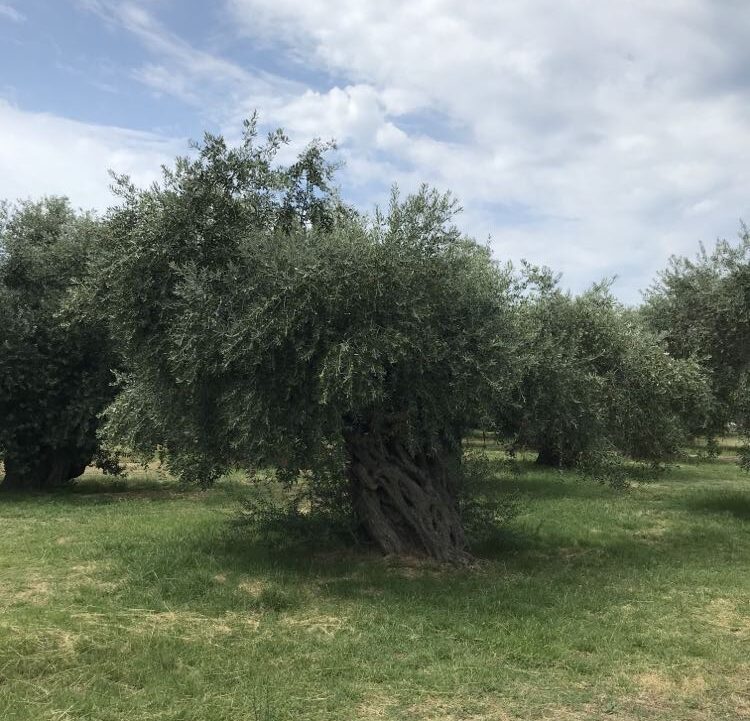
Extra virgin olive oil
Extra virgin olive oil is made from a mixture of olive varieties of different colors (green, purple and black). The oil has a perfect balance of fruitiness and tartness, as well as a golden color.
In the production of extra virgin olive oil, only mechanical methods are used; the oil is not heated or added with chemicals. The temperature in the process never exceeds 27 °C. This preserves all the vitamins, antioxidants, and polyphenols.
Extra virgin olive oil is suitable for use in salads, cooking and frying. It gives the food an excellent flavor!
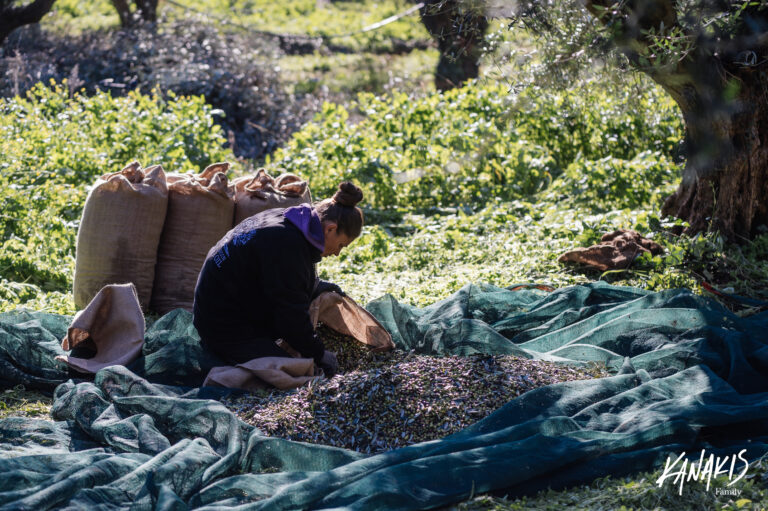
Early Harvest extra virgin olive oil
Early Harvest extra virgin olive oil differs from traditional extra virgin olive oil in that it is produced only from green olives picked between mid-October and mid-November. Therefore, the oil is available only in limited quantities.
The flavor of Early Harvest extra virgin olive oil is more intense, stronger, and slightly bitter compared to traditional extra virgin olive oil. It has a particularly strong fruity aroma, a golden color, and a low acidity of 0.25–0.45.
Early Harvest extra virgin olive oil contains high amounts of oleacein, which is a powerful antioxidant, and oleocanthal, which is known for its exceptional anti-inflammatory benefits. These two compounds are extremely important for human health, vitality, and longevity.
Oleacein has a bitter taste on the tongue, and oleocanthal in turn produces a peppery sensation at the back of the throat after swallowing.

Olive oil and Mediterranean cooking
Olive oil is the cornerstone of the Mediterranean cuisine. In the daily diet, about 2-4 tablespoons of olive oil are consumed.
The use of olive oil is suitable for all cooking methods. It brings out the flavors and aromas of other ingredients in the food. Olive oil also has the ability to keep fish, meat, and vegetables tender in the oven. In desserts, the oil keeps cakes moist and gives biscuits a crispy texture. Olive oil is suitable for use in salads together with lemon juice or vinegar. Bread can also be eaten with olive oil, as is commonly done in Mediterranean countries.